
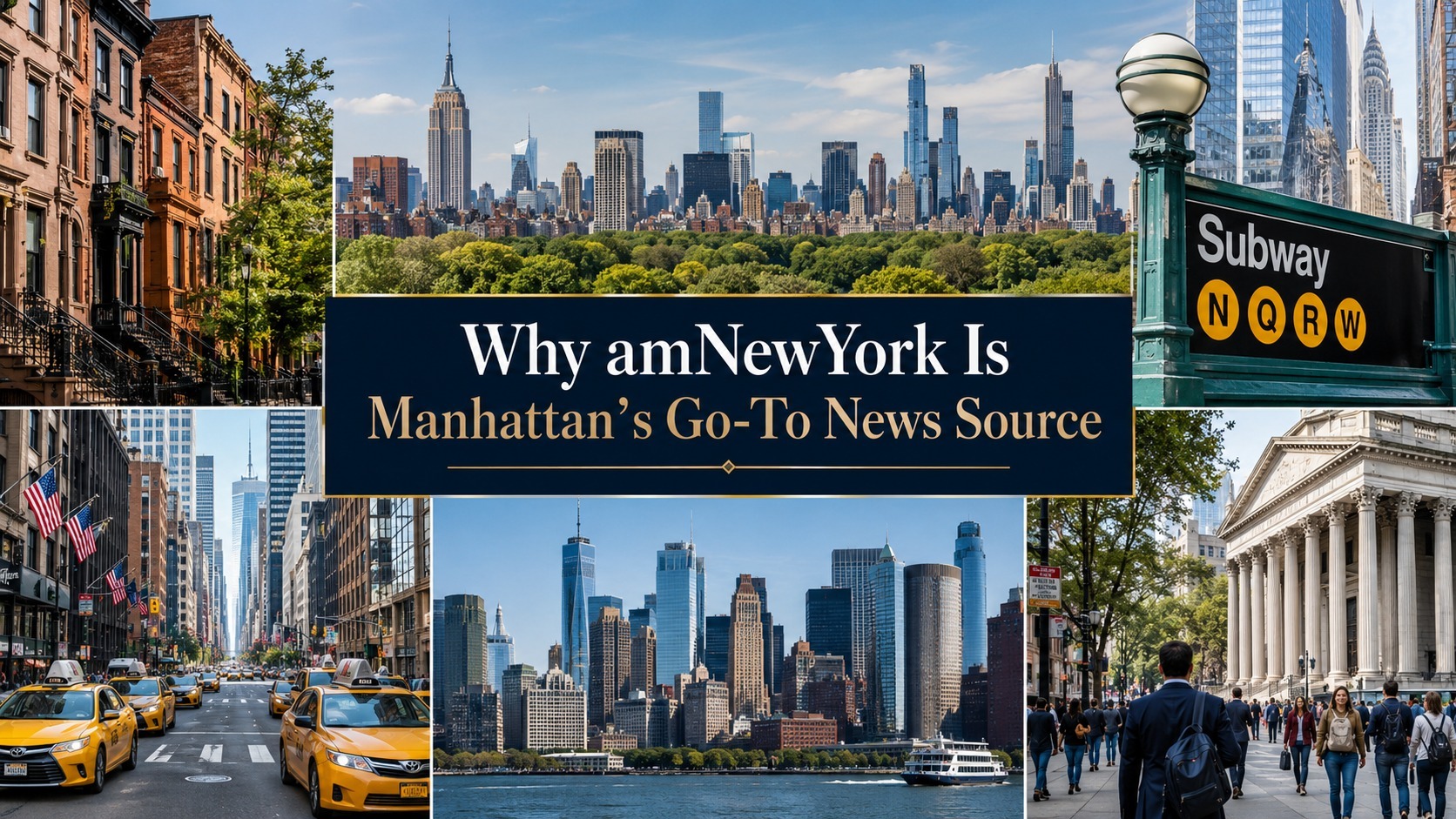

Manhattan moves too fast for slow news. A train delay can change a workday. A protest in Midtown can reroute traffic. A public safety story in the East Village can matter to parents, commuters, small business owners, and anyone who wants to understand what is happening outside their door.
That is why amNewYork has a clear place in the daily media habits of Manhattan readers. The site at https://www.amny.com/ is built around New York City life, but its Manhattan coverage gives readers a useful mix of borough-level updates, neighborhood reporting, transit news, public safety stories, politics, business, culture, and sports.
A broad national headline rarely tells a Harlem resident what happened near a subway stop, or helps a Chelsea worker understand why traffic is frozen near the West Side. Local readers need New York crime news today, but they also need Manhattan crime news today that feels close enough to be useful. That difference matters.
amNewYork works best for people who want the practical layer of the city. Readers looking for NYC breaking crime updates, Manhattan subway crime news, city politics, school concerns, housing pressure, and local events can use the site as a daily reference point rather than a once-in-a-while read.
For readers comparing local outlets, the connection between amNewYork and Manhattan is also worth noting. The borough is not treated like a single postcard image. Its neighborhoods carry different news needs, from Washington Heights and Harlem to Midtown, Chelsea, SoHo, Chinatown, the Lower East Side, Tribeca, Battery Park City, Greenwich Village, and the Upper West Side.
amNewYork Understands Manhattan as a Working Borough, Not Just a Skyline
The best Manhattan news coverage does not stop at the skyline, Times Square, Wall Street, or Central Park. Those places matter, but they do not explain how people actually live in the borough. Manhattan is also apartment buildings, school zones, courthouse steps, subway platforms, union actions, street fairs, small restaurants, hospital corridors, office towers, and packed sidewalks.
amNewYork’s value comes from treating Manhattan as both a local place and a citywide engine. A story in Lower Manhattan can affect commuters from Brooklyn and Queens. A Midtown safety update can matter to visitors, workers, police, hotel staff, and theatergoers. A housing policy story can affect renters across the island.
That layered approach is useful for readers who want more than isolated headlines. A person following Manhattan local news coverage often wants both the local detail and the wider city meaning. amNewYork appears designed for that mix.
Neighborhood Signals Make the Coverage Feel Local
A Manhattan reader can usually tell when a news site understands the borough by the places it names. Coverage that mentions only “New York City” can feel too wide. Coverage that gives space to the East Village, Greenwich Village, Harlem, Midtown Manhattan, Lower Manhattan, Chelsea, Hell’s Kitchen, Hudson Yards, Chinatown, SoHo, Tribeca, and Washington Heights feels more grounded.
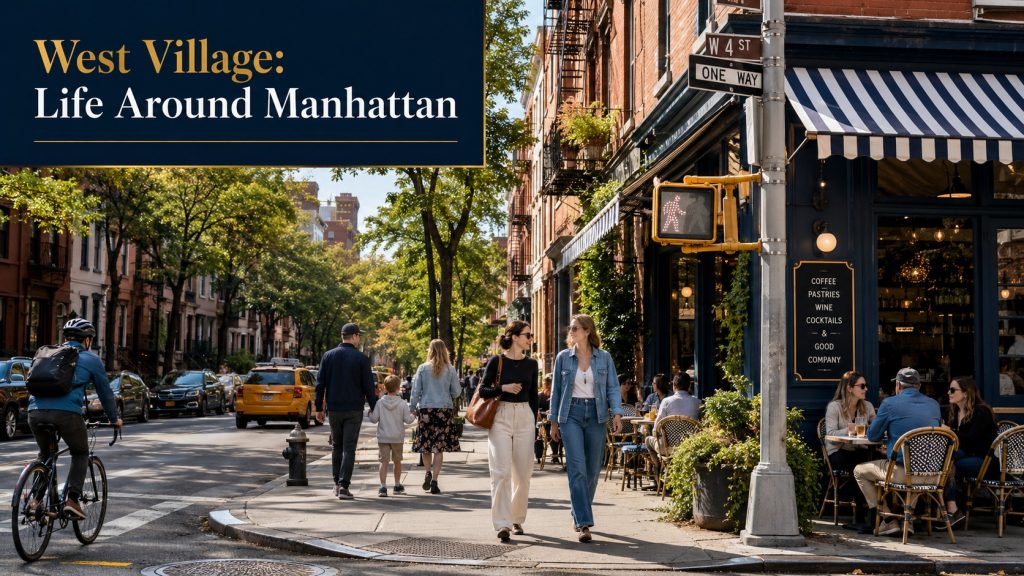
amNewYork’s neighborhood structure helps with that. It gives readers a way to follow NYC neighborhood news updates without losing the local shape of Manhattan. This is useful because Manhattan neighborhoods often have different concerns on the same day.
A Lower East Side reader may care about public safety, nightlife rules, tenant issues, and immigration activity. A Yorkville resident may follow school updates, local retail changes, and transit access. A Midtown worker may care about police activity, street closures, subway service, and business news. One borough, many daily realities.
A Site Built for Readers Who Check News More Than Once
Manhattan does not run on a morning-only news cycle. A story that matters at 8 a.m. may change by lunch. A court update can shift the tone of a public safety story. A storm advisory can affect evening commuters. A police investigation can move from a short alert to a larger neighborhood concern.
That makes amNewYork useful for readers who check in during the day. The site’s mix of quick-hit updates, borough sections, topic pages, and citywide coverage gives it the feel of a daily tool. It is not only for people sitting down to read a long Sunday feature.
This matters for searches like Manhattan breaking crime updates, NYC traffic news today, or New York weather alert today. The reader behind those searches is usually not browsing for fun. They want to know what changed and why it matters.
Public Safety Coverage That Connects Incidents to Everyday Decisions
Public safety reporting is one of the biggest reasons Manhattan readers turn to local news. People want to know what happened, where it happened, whether there is a suspect, whether police are asking for help, and whether the incident affects a subway line, street, school, or building.
amNewYork’s Police & Fire coverage is useful because public safety in Manhattan often overlaps with transit, courts, politics, housing, and nightlife. A stabbing near a station is not only a crime story. It is also a commuting story. A fire in an apartment building is not only an emergency story. It can become a housing, displacement, or city services story.
For readers searching New York police news today, Manhattan police news today, or NYC shooting news today, the main value is not drama. It is clarity. Local reporting should help people understand the basic facts without turning every incident into fear bait.
Crime, Courts, and the Need for Careful Local Detail
Manhattan crime coverage works best when it stays specific. The borough has many different settings for public safety stories: subway platforms, nightlife corridors, tourist zones, public housing campuses, parks, courthouses, shelters, office districts, and residential blocks. Each setting changes the reader’s concern.
A story from Times Square will not land the same way as a story from Stuyvesant Town or the Lower East Side. A report tied to Manhattan Criminal Court may carry different civic weight than a neighborhood robbery update. That is why New York court news today fits naturally into the same reader need as local crime coverage.
amNewYork is worth checking because it often frames police and court stories within the city’s moving parts. A reader can follow Manhattan robbery news updates or NYC subway crime news without having to separate every detail from a larger city feed.
Fire, Emergency, and Street-Level Awareness
Public safety also means fire, emergency response, and street disruption. In Manhattan, one emergency can affect a block, a train line, a bridge approach, a school pickup, or an evening commute. That makes New York fire news today and NYC emergency news updates more practical than they may sound.
A local fire story can tell readers about building safety, FDNY response, street closures, injuries, evacuations, and nearby risks. An emergency update can help residents avoid a blocked avenue or understand why sirens are gathering near a familiar corner.
The best version of this reporting does not panic readers. It gives them enough verified context to make a decision. amNewYork’s place in that routine is simple: check it when a citywide alert feels too vague and social media feels too noisy.
Transit Is Where amNewYork Feels Most Manhattan-Native
Few subjects define Manhattan like transit. The subway, buses, sidewalks, bike lanes, bridges, tunnels, ferries, taxis, delivery vehicles, and congestion pricing debates all meet on the island. A local news site that cannot handle transit well will always feel incomplete here.
amNewYork gives transit its own visible space, which is the right choice for a Manhattan audience. Transit news is not a side topic in the borough. It is how people get to work, reach school, meet clients, see doctors, visit family, and move through crowded neighborhoods.
This is where the site has clear value for readers tracking NYC transportation news today. Manhattan is a place where transportation decisions become personal quickly. A service change at 14th Street, a crash near the FDR Drive, a disabled train near Times Square, or a traffic rule change below 60th Street can affect thousands of people.
Subway Reporting Matters Because Manhattan Is the System’s Core
The subway runs through nearly every major Manhattan news concern. Public safety, commuting, tourism, nightlife, accessibility, school travel, policing, and business foot traffic all touch the system. That is why Manhattan subway crime news and broader NYC subway crime news both matter.
A reader in Washington Heights may follow the A train differently from a reader in the East Village following the L or a Midtown worker watching the 1, 2, 3, N, Q, R, W, B, D, F, M, or 7. Local transit coverage has to understand routes as daily lifelines, not abstract infrastructure.
amNewYork’s transit coverage helps because it keeps the MTA, subway safety, fares, service changes, and street-level transportation policy in the same news environment. That makes it easier for readers to connect a transit story to the rest of city life.
Traffic, Accidents, and the Reality of Getting Across Town
Manhattan traffic is not only a driver issue. A crash can delay buses. A street closure can affect deliveries. A protest can shift pedestrian routes. A water main break can freeze crosstown movement. A holiday event can turn a normal commute into a slow puzzle.
That is where searches like New York accident news today, NYC traffic news today, and Manhattan traffic news today become useful signals. People want local facts because their route depends on them.
amNewYork is a good fit for that reader because it covers transportation as part of the city’s daily function. It can help someone understand why the trip from the Upper West Side to Midtown feels different today, or why Lower Manhattan traffic is backing up during a public event.
Schools, Housing, and Family Life Need More Than City Hall Soundbites
Manhattan families need local news that treats schools, housing, and public services as everyday concerns. Parents want to know what is happening with admissions, safety, school calendars, policy changes, and local programs. Renters want to follow tenant protections, development, affordability, and building issues.
A citywide education story can matter, but it becomes more useful when connected to neighborhood realities. A policy change may affect families differently in East Harlem, Chelsea, Battery Park City, or the Upper East Side. The same is true for housing. One borough can contain luxury towers, rent-stabilized buildings, NYCHA campuses, walk-ups, co-ops, shelters, student housing, and senior housing.
This is why New York school news today and Manhattan public school updates belong inside a serious Manhattan media review. Local readers do not separate civic news from family life.
Schools Sit Inside Neighborhood Identity
A school story in Manhattan often carries more than education value. It can affect housing demand, family routines, local traffic, after-school programs, safety concerns, and neighborhood confidence. Parents may want updates from the Department of Education, but they also need reporting that understands the blocks around the school.
amNewYork can help readers who want to follow education without reading only official announcements. It gives school and family issues space within a larger local news setting, which helps readers connect policy to daily life.
That is especially useful in neighborhoods where families balance school choice, commute time, rent pressure, and changing local services. A headline about schools becomes more meaningful when it sits beside housing, transit, crime, and community reporting.
Housing Coverage Matters Because Manhattan Pressure Never Really Sleeps
Manhattan housing is one of the borough’s defining stories. Rent increases, real estate deals, zoning changes, tenant disputes, public housing conditions, office-to-residential conversions, and neighborhood redevelopment all shape the way people live.
Readers looking for NYC housing news updates are often trying to understand what a policy or development means for their own block. Readers searching New York real estate news may be investors, renters, buyers, brokers, homeowners, or residents trying to make sense of price pressure.
amNewYork’s usefulness comes from giving housing and real estate stories a local news frame rather than treating them only as market content. In Manhattan, real estate is not just property. It is politics, culture, class, schools, transit, and neighborhood identity.
Politics Coverage Works Best When It Stays Close to the Sidewalk
Manhattan is deeply tied to New York politics, but local readers do not only need speeches and campaign quotes. They need to understand what elected officials, agencies, courts, boards, and city departments are doing to daily life.
amNewYork covers politics as part of the city’s local rhythm. That matters because Manhattan readers may follow City Hall, the mayor, borough officials, City Council members, district attorneys, judges, community boards, state lawmakers, and federal representatives all at once.
For readers searching New York politics news today, the value is not only knowing who said what. It is knowing what the decision means for rent, policing, transit, schools, sanitation, public space, immigration, small businesses, and street safety.
Mayoral News Hits Manhattan Quickly
Manhattan often feels city policy first. A mayoral decision on sidewalk sheds, policing, congestion pricing, street vending, shelters, housing, or public space can show up fast in Midtown, Harlem, Lower Manhattan, the Upper West Side, or the Lower East Side.
That is why NYC mayor news updates fit naturally into amNewYork’s role. A Manhattan reader may not want a long policy paper. They may want to know how a City Hall move will affect their route, building, business, school, block, or neighborhood meeting.
amNewYork’s citywide reach helps here. It can cover the mayor and City Hall while still giving readers borough and neighborhood signals. That balance is important because Manhattan is never separate from the city, but it is never only the city either.
Elections Are Local Even When the Race Looks Big
Election coverage in Manhattan can involve citywide offices, borough-level races, City Council districts, judicial contests, ballot measures, state seats, congressional primaries, and community-level political fights. A reader may care about the mayoral race and also about a district issue two blocks away.
That is why New York election news today belongs in the local news mix. Elections shape policing, housing, land use, schools, transportation, parks, sanitation, business rules, and public safety priorities.
A good local outlet helps readers see the stakes without turning every race into theater. amNewYork has value because it places political stories near the rest of the city’s practical news, where readers can connect campaign promises to lived results.
Business, Culture, and Neighborhood Life Keep the Review From Feeling Too Heavy
A local news source cannot live on crime, politics, and traffic alone. Manhattan readers also want to know what opened, what closed, what is happening this weekend, where the cultural energy is moving, and how local businesses are adapting.
amNewYork is useful because it does not treat neighborhood life as filler. Restaurants, events, arts, sports, shopping corridors, nightlife, family activities, and cultural institutions all help explain the borough. In Manhattan, a small business opening in SoHo or a cultural event in Harlem can matter as much to local identity as a City Hall press conference.
Readers searching NYC business news today or New York community news today may be looking for signs of change. A storefront shift, a hotel labor issue, a new food spot, or a local event can say a lot about the direction of a neighborhood.
The Local Business Lens Is Stronger When It Names Real Places
Business coverage in Manhattan needs geography. A restaurant story in Greenwich Village is different from an office market story in Midtown. A retail change near Union Square is different from a development story near Hudson Yards. A small business feature in Chinatown has a different community meaning than a luxury opening in NoMad.
amNewYork can help readers follow those differences because it has enough local structure to place stories where they belong. That is useful for business owners, workers, residents, and visitors who want to understand the borough’s commercial pulse.
It also supports broader local discovery. Someone reading New York City local news coverage may want the bigger city picture, while a Manhattan reader may want the street-level business effect.
Culture Coverage Helps Readers Feel the Borough, Not Just Track It
Manhattan’s culture is not only museums and Broadway. It is also neighborhood festivals, art spaces, local performers, food events, family activities, parks, libraries, pop-ups, faith groups, public conversations, and community traditions.
That is where Manhattan neighborhood news updates become more than a keyword. They describe the kind of local information people use to feel connected to where they live.
amNewYork’s events and lifestyle coverage helps round out the site. It gives readers a reason to visit even when there is no emergency. That matters because a strong local news habit should include civic awareness and ordinary enjoyment.
A Practical Reader’s Map for Using amNewYork
The easiest way to judge a local news site is to ask when it becomes useful. amNewYork is not perfect for every reader or every story, but it serves several Manhattan use cases well.
A commuter may use it differently from a parent. A renter may read it differently from a small business owner. A sports fan may not care about the same sections as someone tracking community boards, courts, and housing.
Here is a practical way to understand the site’s value:
| Manhattan reader need | Why amNewYork can help | Local example |
|---|---|---|
| Morning safety check | It gives public safety and police updates in a citywide context | Checking Manhattan police news today before commuting through Midtown |
| Transit planning | It tracks MTA, subway, bus, and street issues | Following subway service concerns before leaving Washington Heights |
| Housing awareness | It places real estate and housing stories near politics and local news | Reading about rent, development, or NYCHA issues in Lower Manhattan |
| Family planning | It helps readers watch school, event, and neighborhood updates | Looking for school changes or weekend events near the Upper West Side |
| Civic decisions | It connects elections, mayoral news, and policy to city life | Tracking City Hall decisions that affect street rules or public space |
| Local identity | It covers food, culture, neighborhood events, and community stories | Finding stories tied to Chinatown, Harlem, SoHo, or Greenwich Village |
That table also shows why amNewYork is best used as part of a daily local reading routine. It is not only about breaking news. It is about pattern recognition. Over time, readers can see which neighborhoods, agencies, public safety themes, transit debates, and housing stories keep returning.
Why Bookmarking the Site Makes Sense
Some local sites are useful only when a major story breaks. amNewYork is more useful as a regular check-in. Manhattan readers can bookmark it because the borough produces many small stories that later become big ones.
A reader may want to visit the site for several reasons:
- To check police, fire, court, and emergency stories before sharing rumors.
- To follow MTA, subway, bus, traffic, and street safety updates.
- To watch Manhattan housing, real estate, and development stories over time.
- To keep up with politics, elections, City Hall, and mayoral decisions.
- To find neighborhood events, restaurant news, cultural coverage, and weekend ideas.
- To connect Manhattan stories to wider coverage through broader local reporting.
The strength here is routine. Manhattan changes by the hour, but many readers only need a reliable place to check the next layer of context.
Where Readers Should Still Use Judgment
A fair review should say this clearly: no single local news site can cover every Manhattan block, every agency meeting, every school issue, every court filing, and every neighborhood concern. Readers should still compare sources when a story affects their safety, money, home, vote, or family.
amNewYork is strongest as a practical daily source, not as the only source someone should ever read. A tenant facing a legal issue should also check official records or legal aid sources. A commuter should confirm service changes with the MTA. A voter should check official election information before deadlines.
That does not weaken the site’s value. It makes the value more realistic. A good local news source helps readers know what to look into next.
Weather, Sports, and Citywide Context Give Manhattan Readers a Wider View
Manhattan does not exist in a bubble. Weather systems move across the whole metro area. Sports loyalty crosses borough lines. Business and transit news often involve New Jersey, Long Island, Westchester, and the outer boroughs. A Manhattan reader benefits from local coverage that understands the wider region.
amNewYork’s citywide frame helps here. A storm warning may affect Manhattan streets, but it also affects subway service, airport delays, school schedules, outdoor events, and emergency response across the city. A sports story may not be strictly Manhattan-only, but it still belongs in the daily rhythm of local readers.
This is where New York News Ledger and other local category pages can support broader discovery, while amNewYork remains useful for the day-to-day city pulse.
Weather Coverage Is About Decisions, Not Forecast Drama
Weather news in Manhattan is practical. People want to know whether to avoid flood-prone streets, expect subway delays, carry rain gear, change school pickup plans, prepare for heat, or stay off certain roads.
That is why New York weather alert today and NYC storm news updates fit naturally into a review of a Manhattan news source. These phrases reflect real reader behavior. People search when weather affects movement.
A strong local news outlet does not need to act like a weather app. It needs to explain the local effect. Will storms affect outdoor dining? Are parks closing? Are city agencies preparing? Could transit slow down? That is the local layer amNewYork can help readers watch.

Sports Coverage Adds City Energy
Sports may not feel as urgent as crime, courts, storms, or schools, but it is part of how New Yorkers talk. Yankees, Mets, Knicks, Rangers, Giants, Jets, NYCFC, Liberty, Nets, Islanders, college teams, and major events all move through the city’s daily conversation.
For readers searching New York local sports news, amNewYork gives sports a place beside civic and neighborhood coverage. That placement makes sense. Sports in New York is not only scores. It is transit, bars, public safety, stadium areas, business activity, fan culture, and city pride.
Manhattan readers may not need every box score, but many want a local angle. A big game can affect subway crowds, restaurants, office chatter, and weekend plans. In New York, even sports has a street-level effect.
Final Review: Why amNewYork Deserves a Spot in Manhattan’s Daily Reading Habit
amNewYork stands out because it understands that Manhattan readers need useful news, not distant noise. The site works best when it gives people clear local direction: what happened, where it happened, who is affected, and why the story belongs in the larger New York City picture.
Its value is not that it covers every subject better than everyone else. No site does. Its value is that it keeps many of Manhattan’s core concerns in one practical news flow: public safety, transit, courts, schools, housing, politics, business, weather, events, culture, and sports.
For a borough as dense and fast as Manhattan, that range matters. A reader may arrive for NYC emergency news updates and stay to read about housing. Another may check NYC mayor news updates and then notice a neighborhood story in Harlem or SoHo. Another may search for NYC business news today and find a useful local angle tied to restaurants, retail, or real estate.
The site at https://www.amny.com/ is especially worth checking for readers who want citywide awareness without losing Manhattan detail. It gives enough borough and neighborhood context to feel local, while still connecting stories to the wider city.
The strongest recommendation is simple: use amNewYork as a daily Manhattan news habit, especially when a story affects your commute, block, school, building, vote, business, or weekend plans. In a borough where one update can change the whole day, the right local source is not a luxury. It is part of living well in the city.